I originally wanted to introduce external links in the practical part later, because basically now, the way for web pages to obtain a large number of external links in the early stage is to either buy them or use some black hat technical means.
But think about it, it really should be divided into the SEO part, and it also belongs to the basic skills part. There is no difference in the effect of pre/post understanding.
What is an external link?
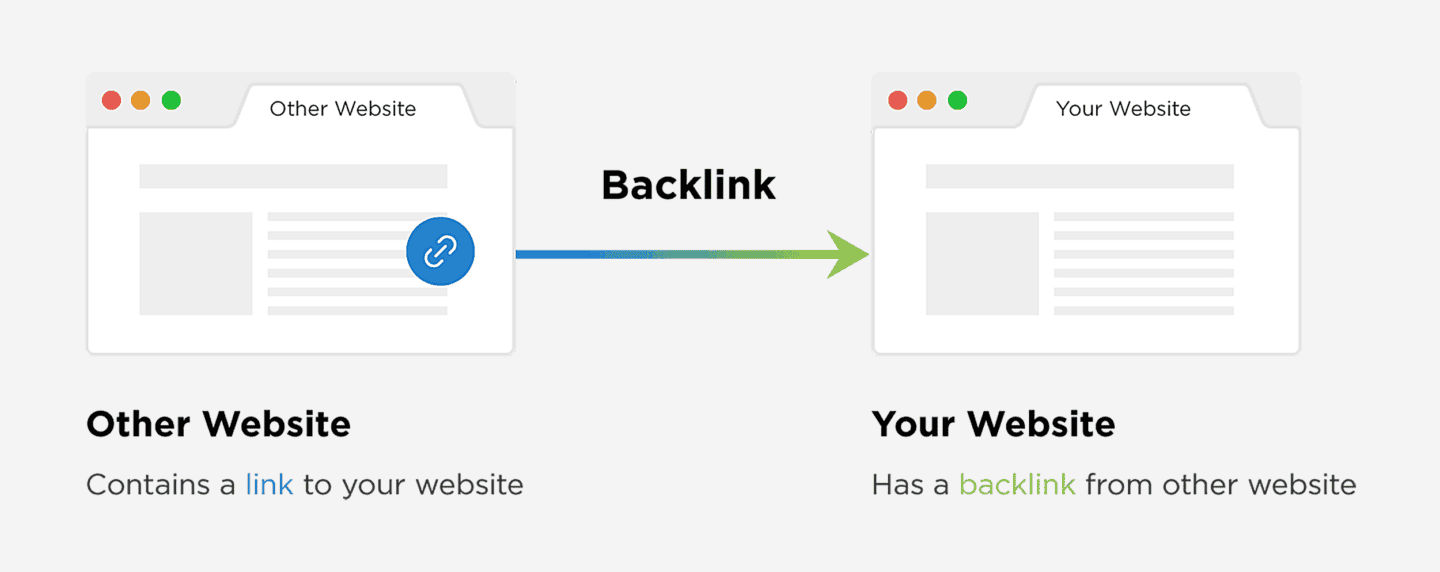
External links are links from other websites to our website. For example, if there is a link on the Forbes website pointing to our website, that is an "external link."
To search engines, these links are like votes from other sites on the value of our content. Every "effective external link" tells search engines: "This content is valuable, credible, and useful."
Why are external links so important?
External links are an important condition for a website to establish authority and credibility in the eyes of search engines. Here are a few key reasons why backlinks are important:
1. Core signals of search engine rankings
Using links as part of search engine algorithms is nothing new. In fact, backlinks formed the basis of Google's original algorithm (called "PageRank").
Even though Google has made thousands of changes to its algorithm since then, backlinks remain a key ranking signal.

Google also confirmed that backlinks remain one of their three most important search engine ranking factors.
The other two core ranking factors are content quality and RankBrain (Google’s algorithm). These three factors together form the basis of Google search rankings.
2. Directly bring traffic
In addition to influencing search engine perceptions, external links can directly drive traffic to our website. When users click on these links from other websites, they are taken directly to our content. Not only does this increase website traffic, it also enhances brand awareness and attracts a wider audience.
Which types of external links are the most valuable?
Not all external links are valuable. If we want to rank higher in search results, we need to focus on getting high-quality backlinks.
One high-quality external link may be more valuable than 1,000 low-quality external links. High-quality external links usually have the following characteristics:
1. From high authority websites
Do we want to get links from Harvard University? Or is it an external link from a random personal website?
This concept is called "domain authoritativeness". Essentially, the more authoritative a website is, the more authority it conveys to our website through links.
Of course, we must also consider the location of the link in the web page. In which layer of the structure, such a thing must be delivered in an important position on the homepage, and the delivery effect will be far greater than that of other pages.
2. The anchor text contains target keywords
Anchor text is the visible text portion of a link. Generally speaking, we want the anchor text of the link to contain the target keyword.
Don’t overuse anchor text that contains keywords. There is a filter in the Google algorithm called "Google Penguin" that specifically targets websites that use black hat link building tactics, specifically those that use exact match anchor text to build backlinks.
3. The linked website is related to the theme of our website
When one website links to another, Google wants to see that the two sites are related.
Imagine if we just published an article about AI, Google would give more weight to links from AI-related websites than links from playing basketball.
4. The link is a "Dofollow" link
Google and other search engines ignore links with the "nofollow" tag. In other words, nofollow links are not counted in the search engine ranking algorithm and do not convey weight at all.

Now most of the links on the platform are "nofollow" links after you publish them. So it basically stops you from posting links to some high-authority websites to gain their weight.
5. Our domain name has not been linked to before
Let's say we get a link from website A, great. But if website A links to us again, the effect of the second, third, and fourth links will gradually weaken.
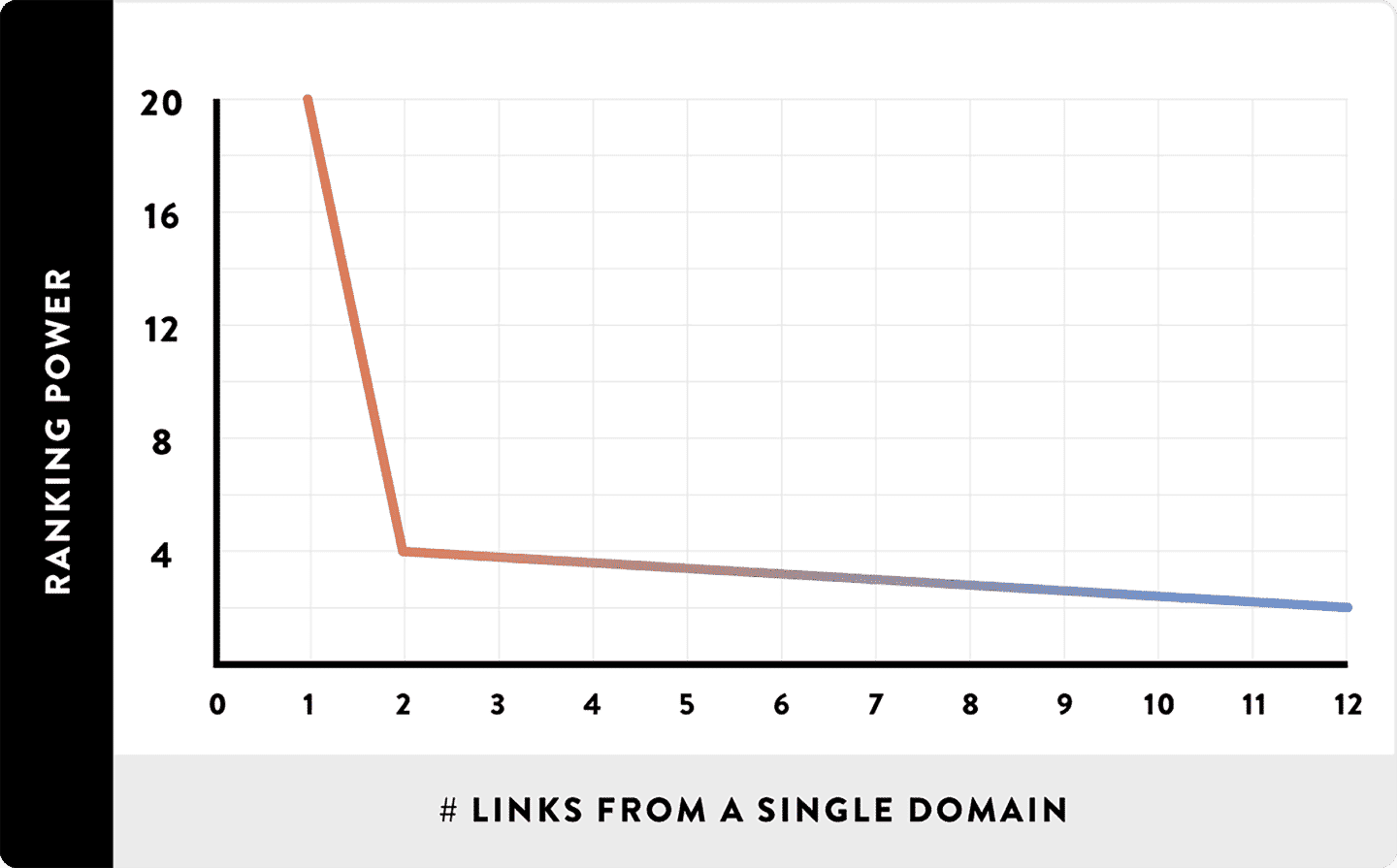
100 links from 100 different websites is usually better than 1000 links from the same website.
Some free methods to obtain high-quality external links
To be honest, it is difficult to get free things. It either takes effort or time, but it can be done if you find the right method.
1. Create linkable assets
If we want people to link to our website, we need to have link-worthy content on our website. This is called a "linkable asset."
Linkable assets can be blog posts, videos, software, quizzes, surveys, anything people want to link to. In most cases, a linkable asset is a piece of very nice content (which is why SEO and content marketing go hand in hand).
For example, a piece of content like "200+ Google Ranking Factors" or "The Ultimate Guide to YouTube SEO" can naturally attract a large number of high-quality backlinks.
But this is actually very difficult because of the monopoly nature of the platform.
2. Use link summary
In fact, this logic is very similar to the collection articles we often see. Their purpose is to find good links and articles, and then pull your articles into them.
These are called "link roundups," which are daily, weekly, or monthly blog posts that link to great content.
There are some ways to leverage link aggregation:
- Find link summaries in your field: use search strings such as "keywords" + "link summaries" in Google search (this method is applicable to basically all major search platforms)
- Recommend your resources: send an email, chat, suggest they include your link in their summary
On the one hand, it is for weight, and on the other hand, it does have traffic.
3. Pick up the corpse directly
This is a three-step process:
- First, find out-of-date, re-branded or recently renamed web pages, resources or businesses, or 404 pages.
- Then, find sites that are still linking to these outdated resources
- Finally, send an email or go to social platforms to directly find the group owner such as FB, DC, or Tg. Tell them that the content they are linking to is out of date and you can change it, just be polite!
For example, if we find that the website of a large SEO agency suddenly shut down, it means that there are many pages on their website that no longer work, and many people are still linking to these pages. We may find websites that link to these resources and then provide our own relevant content as an alternative.
This kind of traffic and external link weight is huge! That is, you can find a large number of them through the tool, and then send them articles in batches, and earn one for each reply, provided that their link is
DoFollow.
4. Hard rush
I don’t know if you have seen foreign websites that have recommendations similar to user websites. Overseas companies like to display cooperation recommendations. If we are using one of its products or services, consider sending them a testimonial email.
They often add a link to our website...without us even asking. It's like sponsorship, but it doesn't cost money.
Of course, there are many ways to obtain external links, but those methods require money, your negotiation skills, and an in-depth understanding of the external link industry.
There are too many junk external links and do I need to take care of them?
In the past, it needed to be managed because too many spam external links would punish the website. In 2024, Google updated its algorithm and would only treat spam external links as invalid value and would not penalize the weight score of the web page.
Otherwise, if you think about it, if your competitor is unhappy and you buy him 1,000,000 gambling and pornographic external links, will it still survive?
Conclusion
This is probably some basic knowledge about external links.