14.SEO structured data and SERP
Non-members can read 30% of the article.
1. A preliminary understanding of SEO structured data and SERP
Structured data is a standardized format used to provide search engines with clear information about the content of a web page. It is essentially a "markup language" that helps search engines understand the context and meaning of web content through specific code formats.
SERP is the abbreviation of "Search Engine Results Page", which is the search engine results page. When a user enters a query term into a search engine (such as Google, Baidu, Bing, etc.), the result page returned by the search engine is the SERP.
1.1 Components of SERP
SERP usually contains the following main parts:
- Natural search results: A list of web pages that are naturally sorted based on search engine algorithms
- Paid Advertisements: Usually appear at the top or bottom of the page and are labeled "Advertising"
- Featured Snippets: an information box that directly answers user questions
- Knowledge Panel: Usually appears on the right side and displays information about a specific entity
- Local search results: Contains maps and local business information
- Picture/Video Results: Relevant picture or video content
- Related Questions (People Also Ask): Related questions that users may be interested in
- Top Stories/News: Latest news related to the query
- Site Links: Additional links below the main results
- Recommended Search: Related search suggestions at the bottom of the page
1.2 The relationship between structured data, SERP and rankings
Structured data is just a way to achieve special SERP or rich text results on the technical side.
In the field of SEO, the role of structured data is mainly to help search engines better understand the content of web pages, and may be displayed as rich text results (Rich Snippets) or special SERP display forms in search results, rather than directly improving keyword rankings. Its indirectness mainly refers to the following aspects:
-
Increase click-through rate (CTR)
Structured data can generate rich snippets in search results (ratings, prices, inventory status, etc.) More engaging search results typically get higher click-through rates Higher click-through rates are viewed by search engines as a signal of relevance and user satisfaction, indirectly affecting rankings.
- Research shows that rich snippets and other SERP features can significantly increase click-through rates
- Results with stars have a click-through rate about 35% higher than ordinary results
-
Reduce bounce rate
Structured data helps users better understand page content before clicking To guide more precise visits and reduce bounce rates Good user experience metrics positively impact rankings
-
Enhance content understanding
Structured data helps search engines more accurately understand page content and context Better content understanding may lead to more accurate rankings, especially for complex or specialized content
-
Get special SERP position
Structured data can help websites gain special placements such as featured snippets and knowledge panels. These positions are typically above traditional ranking results, providing greater visibility
-
Larger layout
SERP features (such as featured snippets, knowledge panels, etc.) take up a lot of space on the search results page Obtaining these positions can significantly improve a website's visibility in search results, even if it is not ranked first
1.3 Common structured data types
- Article: News article or blog post
- Product: Product information, including price, inventory status, etc.
- Review: comments and ratings
- Event: event information, including date, location, etc.
- Recipe: Recipe, including preparation time, ingredients, etc.
- FAQ: Frequently Asked Questions and Answers
- HowTo: Step-by-Step Guide
- LocalBusiness: Local business information
- Person: personal information
- Organization: Organization or company information
2. Detailed explanation of SERP display form and structured data
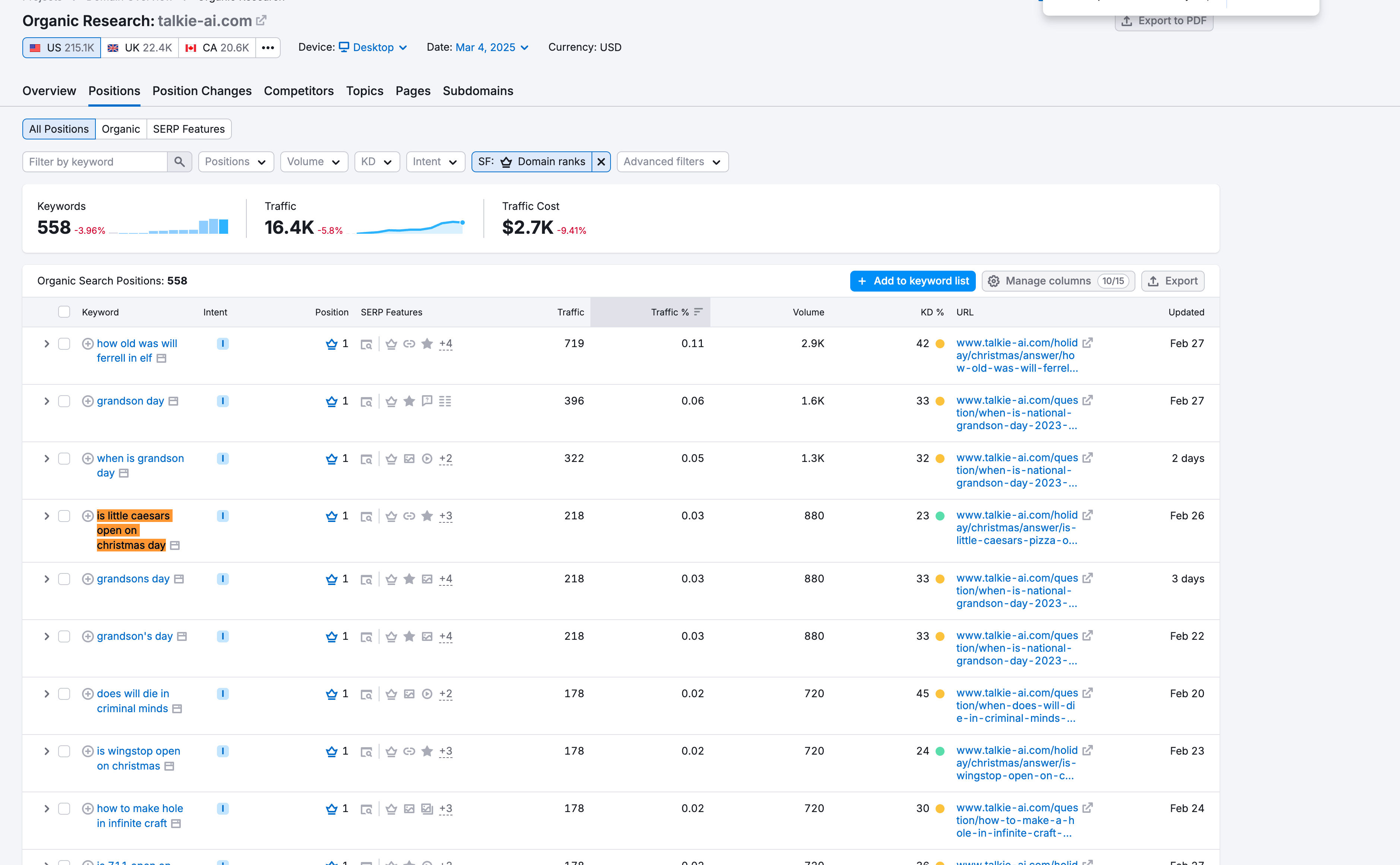
We can directly understand the SERP display form through actual examples

In the picture above, you only need to focus on SERPs that are connected to the domain name. SERPs that are not linked to the domain name refer to those special elements displayed on the search engine results page (SERP). They display information related to the search query, but these elements are not directly linked to your website domain name. These features are typically generated by search engines that aggregate information from multiple sources, including your site and other sites.
For example: Example query: Search for "how to make braised pork"
SERP shows: A box will be displayed at the top of the search results that directly lists the steps for making braised pork. Although the content may be excerpted from your recipe website, many users will not click to enter the original website after seeing these steps. Although there is a link to your website at the bottom of the box, the click-through rate is usually low.
Then let’s take a look at the detailed explanation of the SERP connected to the domain name.
2.1. Featured Snippet (Featured Summary)
A Featured Snippet is a highlighted content box in Google search results that typically appears at the top of search results, below paid ads but above organic search results. This position is also called "Position Zero" because it is before the traditional first search result.
For example, let’s search this question on Google
As shown in the figure, the display results are displayed. The answer is displayed directly on the top, and the source website is displayed below.

For its JSON structure data, it is expressed like this. This is the Answer generated by AI:
  {
      "@context": "https://schema.org",
      "@type": "FAQPage",
      "mainEntity": [
          {
              "@type": "Question",
              "name": "is little caesars pizza open on christmas",
              "acceptedAnswer": {
                  "@type": "Answer",
                  "text": "Unfortunately, it is not. Little Caesars Pizza follows the standard holiday hours of most businesses, meaning that they will be closed on Christmas Day. However, they will be open on Christmas Eve and New Year's Day."
              }
          }
      ]
  }
Subscribe to unlock the full article
Support the writing, unlock every paragraph, and receive future updates instantly.
Comments
Join the conversation
No comments yet. Be the first to add one.